






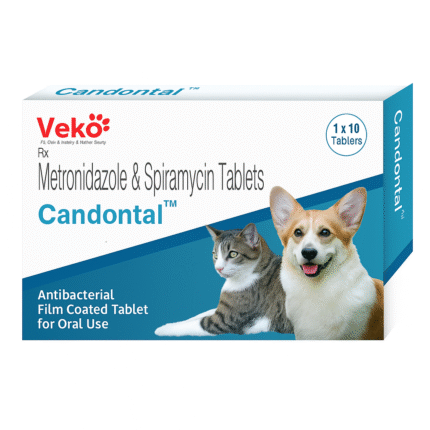
Candontal Tablet for Cat
Candontal Tablets for Cats are a veterinary prescription medication combining spiramycin and metronidazole to provide targeted antibacterial and anti-inflammatory support. This dual-action formulation is commonly prescribed for dental infections, gingivitis, stomatitis, soft tissue wounds, and certain anaerobic gastrointestinal infections in cats. By addressing both aerobic and anaerobic bacteria while helping reduce inflammation, Candontal supports faster recovery in oral and soft tissue conditions. It should always be administered under veterinary supervision to ensure correct dosing and treatment duration.
Key Benefits
- Dual-action formula (antibiotic + anti-inflammatory support)
- Effective against aerobic and anaerobic bacteria
- Commonly used for dental and periodontal infections
- Helps reduce tissue inflammation and swelling
- Useful for certain protozoal gastrointestinal infections
- Generally well tolerated when used as prescribed
- Short-course therapy in most cases (5–10 days)
How It Works
Candontal contains two active ingredients:
Spiramycin
A macrolide antibiotic that inhibits bacterial protein synthesis. It is particularly effective against Gram-positive organisms and bacteria associated with oral plaque and periodontal disease.
Metronidazole
Targets anaerobic bacteria and certain protozoa by disrupting DNA synthesis. It also provides anti-inflammatory benefits, especially in oral and gastrointestinal tissues.
Together, these ingredients create a synergistic effect—controlling infection while reducing inflammation and discomfort.
Indications – When Is Candontal Prescribed?
Veterinarians may prescribe Candontal Tablets for:
Dental and Oral Conditions
- Gingivitis
- Stomatitis
- Periodontitis
- Tooth root abscesses
- Post-dental extraction infection prevention
- Halitosis linked to bacterial overgrowth
Soft Tissue Infections
- Bite wounds and abscesses
- Skin infections
- Post-surgical wound infections
Gastrointestinal Conditions
- Diarrhea caused by anaerobic bacteria
- Giardia-associated enteritis
- Supportive care in inflammatory bowel conditions
Diagnosis and treatment duration should always be determined by a veterinarian.
Ingredients Overview
Active Ingredients:
- Spiramycin – Macrolide antibiotic targeting Gram-positive and some Gram-negative bacteria.
- Metronidazole – Anti-anaerobic and antiprotozoal agent with anti-inflammatory properties.
This is a prescription antimicrobial medication and not a nutritional supplement.
Dosage & Administration
Candontal Tablets are administered orally.
Typical Dosage Guideline
| Cat Weight | Tablet Dosage | Frequency | Duration |
| 2–3 kg | ½ tablet | Twice daily | 5–10 days |
| 3–5 kg | 1 tablet | Twice daily | 5–10 days |
| 5–7 kg | 1½ tablets | Twice daily | As directed |
Dosage may vary based on infection severity and veterinary assessment.
Administration Instructions
- Can be given with or without food
- Giving with food may reduce stomach upset
- Tablets may be crushed and mixed with wet food if needed
- Complete the full prescribed course
- Do not discontinue early without veterinary advice
If vomiting occurs shortly after dosing, consult your veterinarian before repeating the dose.
Safety Information
Use With Caution In:
- Cats with liver disease
- Pregnant or lactating queens
- Kittens under 8 weeks (unless prescribed)
- Cats with known hypersensitivity to macrolides or nitroimidazoles
Common Side Effects
- Drooling (due to taste)
- Nausea or vomiting
- Soft stool or diarrhea
- Reduced appetite
- Mild lethargy
Rare but Serious Effects
- Neurological signs (tremors, disorientation, seizures)
- Severe allergic reactions
- Persistent gastrointestinal upset
Seek veterinary attention immediately if serious symptoms occur.
Storage
Store in a cool, dry place away from moisture and direct sunlight. Keep out of reach of children and pets.
FAQs
Is Candontal safe for long-term use?
It is generally prescribed for short courses (5–10 days). Long-term use requires veterinary supervision.
Can it treat bad breath in cats?
If halitosis is caused by bacterial overgrowth or periodontal disease, it may help as part of dental treatment.
Can I stop giving it once my cat improves?
No. Always complete the full course to prevent relapse or antibiotic resistance.
Can it be used after dental surgery?
Yes, veterinarians often prescribe it following dental procedures to prevent infection.
Is it effective against Giardia?
Metronidazole in the formulation has activity against certain protozoa, including Giardia, when prescribed appropriately.

Sarah Williams –
Ordering Candontal Tablet for Cat was simple. The page gave enough information to review the item properly before confirming the purchase.
Sarah Williams –
I liked how clearly Candontal Tablet for Cat was listed. The page made it easier to check the item details and complete the order without confusion.