





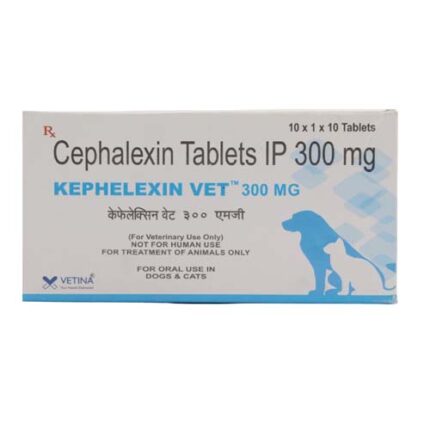
Cephalexin 300 mg Tablets for Cat
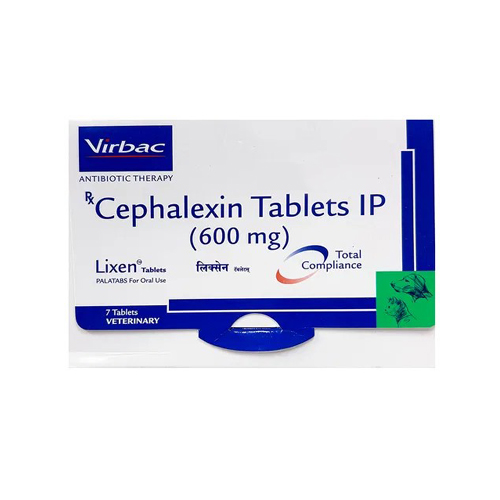
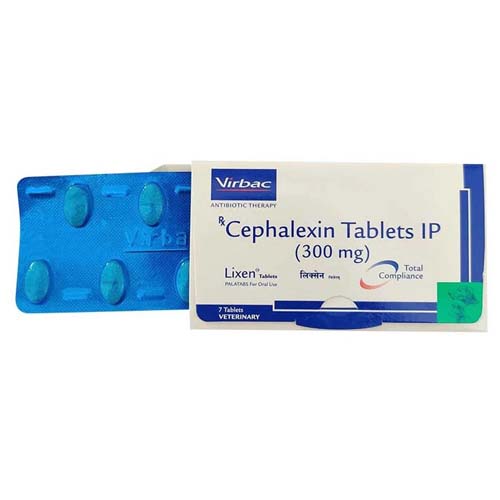
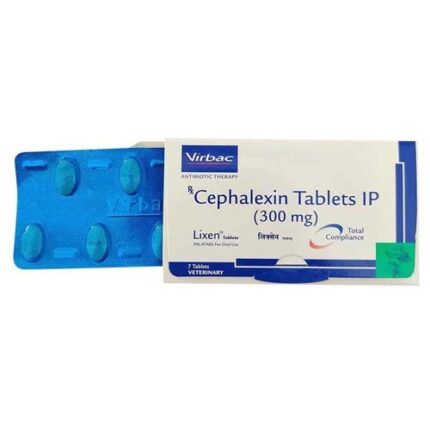
Cephalexin 300 mg Tablets (commonly marketed as Lixen) contain cephalexin monohydrate, a first-generation cephalosporin antibiotic widely used in veterinary medicine. It is prescribed to manage skin, urinary, respiratory, and soft tissue bacterial infections in cats. Cephalexin is bactericidal, meaning it kills bacteria rather than just inhibiting their growth.
The 300 mg strength is typically used for medium to larger cats or when higher dosing is required under veterinary supervision.
How Cephalexin Works
Cephalexin works by:
- Binding to penicillin-binding proteins (PBPs)
- Blocking peptidoglycan cross-linking
- Disrupting bacterial cell wall formation
- Causing bacterial cell rupture and death
It is effective against many Gram-positive bacteria and certain Gram-negative organisms commonly responsible for feline infections.
Common Veterinary Indications
Veterinarians prescribe Cephalexin 300 mg Tablets for:
Skin & Soft Tissue Infections
- Pyoderma
- Bite wounds and abscesses
- Lacerations
- Cellulitis
Urinary Tract Infections (UTIs)
- Cystitis
- Bacterial urethritis
Respiratory Infections
- Rhinitis
- Sinusitis
- Bronchitis
Post-Surgical Infection Prevention
- After spay/neuter procedures
- Post-trauma wound management
Culture and sensitivity testing is recommended when possible.
Recommended Dosage
⚠ Final dosing must always be determined by a veterinarian.
General Guideline
22–30 mg/kg every 8–12 hours (usually twice daily)
Reference Dosage Table (Illustrative Only)
| Cat Weight | Approximate Dose | Tablet Fraction (300 mg) | Frequency |
| 2 kg | 44–60 mg | ⅙–¼ tablet | Every 12 hrs |
| 3 kg | 66–90 mg | ¼–⅓ tablet | Every 12 hrs |
| 4 kg | 88–120 mg | ¼–½ tablet | Every 12 hrs |
| 5 kg | 110–150 mg | ½ tablet | Every 12 hrs |
| 6–7 kg | 132–210 mg | ½–¾ tablet | Every 12 hrs |
| 8+ kg | 176–240+ mg | ¾–1 tablet | Every 12 hrs |
Duration: Typically 7–14 days, longer for bone or chronic infections.
Do not alter dose or stop early without veterinary advice.
Administration Instructions
- Give with or without food (with food may reduce stomach upset)
- Tablets may be split if approved by veterinarian
- Ensure full swallowing
- Maintain consistent dosing schedule
- Complete the entire prescribed course
Safety & Precautions
Use Only Under Veterinary Supervision
Antibiotics should not be self-prescribed. Cephalexin is ineffective against viral or fungal infections.
Do NOT Use If
- Known allergy to cephalosporins
- History of severe beta-lactam antibiotic reactions
Use With Caution In
- Cats with kidney disease
- Elderly cats
- Pregnant or lactating queens (vet guidance required)
- Cats with chronic gastrointestinal disorders
Cephalexin is eliminated through the kidneys; renal monitoring may be recommended for long-term use.
Possible Side Effects
Cephalexin is generally well tolerated.
Common (Usually Mild)
- Vomiting
- Diarrhea
- Decreased appetite
- Temporary lethargy
Rare but Serious
- Facial swelling
- Hives
- Breathing difficulty
- Severe vomiting or bloody diarrhea
- Seizures (rare, overdose cases)
Seek veterinary attention immediately for severe reactions.
Drug Interactions
Inform your veterinarian if your cat is taking:
- Other antibiotics
- Aminoglycosides
- Antacids
- Anti-inflammatory medications
- Immunosuppressive drugs
Benefits of Cephalexin 300 mg Tablets
- Broad antibacterial coverage
- Proven effectiveness in skin infections
- Reliable UTI treatment option
- Rapid absorption
- Long track record of veterinary use
- Cost-effective therapy
Responsible Antibiotic Use
- Follow prescribed dosage exactly
- Complete full treatment course
- Do not share medication between pets
- Avoid using leftover antibiotics
Improper use contributes to antibiotic resistance.
Storage Instructions
- Store in a cool, dry place
- Keep away from moisture and direct sunlight
- Keep out of reach of children and pets
Frequently Asked Questions
Can Cephalexin treat viral infections?
No. It only treats bacterial infections.
What if I miss a dose?
Give when remembered unless close to next dose. Do not double dose.
Can I stop early if my cat improves?
No. Always complete the full course unless your vet instructs otherwise.



Jacob Ward –
I found the Cephalexin 300 MG Tablets for Cat 2 page helpful while comparing options for my pet. The ordering process was straightforward and the details were easy to follow.
Emily Carter –
Ordering Cephalexin 300 MG Tablets for Dog Cat was simple. The page gave enough information to review the item properly before confirming the purchase.
Freddie Allen –
The website made it simple to find and order Cephalexin 300 MG Tablets. The product page was clean, direct, and easy to use.
Nicole Parker –
I liked how clearly Cephalexin 300 MG Tablets was listed. The page made it easier to check the item details and complete the order without confusion.
Grace Phillips –
Ordering Cephalexin 300 MG Tablets for Dog Cat was simple. The page gave enough information to review the item properly before confirming the purchase.
Oscar Hughes –
A clean and useful listing for Lixen 600mg Cephalexin Tablets Powerful Dog Infection Treatment. I appreciated the clear product name, size details, and simple buying process on the website.