





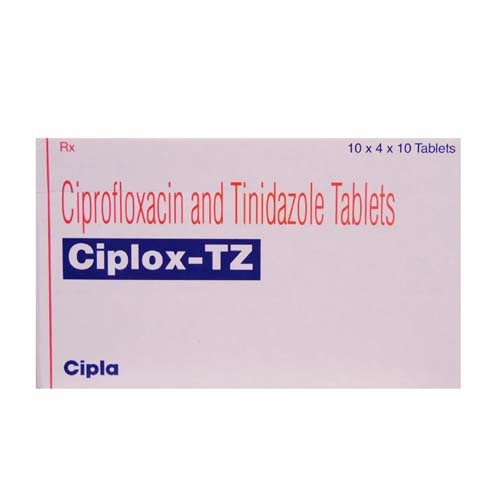
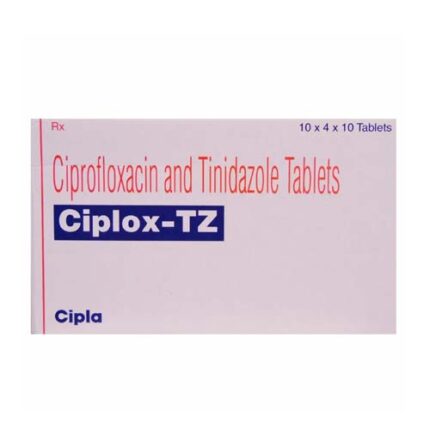
Ciprofloxacin and Tinidazole 250 mg Tablets for cat
Ciprofloxacin and Tinidazole 250 mg Tablets for Cats is a combination antimicrobial medication used to treat mixed bacterial and protozoal infections. It contains ciprofloxacin (a fluoroquinolone antibiotic) and tinidazole (a nitroimidazole antiprotozoal agent), making it suitable for infections affecting the gastrointestinal tract, respiratory system, urinary tract, and soft tissues. This medication is typically prescribed when infections involve both bacteria and protozoa, or when standard antibiotics alone are insufficient. Use only under veterinary supervision to ensure accurate diagnosis and dosing.
Key Benefits
- Dual-action therapy for bacterial and protozoal infections
- Effective against many Gram-positive and Gram-negative bacteria
- Active against protozoa such as Giardia and Trichomonas
- Suitable for gastrointestinal infections with mixed causes
- Helps reduce diarrhea associated with protozoal infections
- Oral tablet form for convenient administration
- Can improve recovery outcomes in complicated infections
How It Works
Ciprofloxacin is a fluoroquinolone antibiotic that inhibits bacterial DNA gyrase and topoisomerase enzymes. This prevents bacterial DNA replication, leading to bacterial cell death.
Tinidazole is a nitroimidazole compound that damages protozoal DNA and disrupts anaerobic bacterial cell processes, eliminating susceptible protozoa and anaerobic pathogens.
Together, this combination targets both aerobic bacteria and protozoa, making it particularly useful in mixed gastrointestinal and systemic infections.
Indications – When Is It Recommended?
Veterinarians may prescribe this medication for:
- Bacterial enteritis
- Protozoal infections (e.g., giardiasis)
- Chronic diarrhea with mixed infections
- Respiratory tract infections caused by susceptible bacteria
- Urinary tract infections
- Skin and soft tissue infections
- Abscesses
- Mixed anaerobic infections
Accurate diagnosis through clinical examination or laboratory testing is recommended before starting therapy.
Ingredients Overview
Ciprofloxacin (Fluoroquinolone Antibiotic)
- Broad-spectrum antibacterial agent
- Active against many Gram-positive and Gram-negative organisms
Tinidazole (Nitroimidazole Antiprotozoal)
- Effective against protozoa such as Giardia
- Active against anaerobic bacteria
This combination offers broader coverage than single-agent therapy.
Dosage & Administration
⚠ Dosage must be determined by a veterinarian based on the cat’s weight and condition.
General Guideline (For Ciprofloxacin Component)
| Cat Weight | Approximate Dose | Frequency | Duration |
| Up to 2 kg | As prescribed | Twice daily | 5–10 days |
| 2–4 kg | Vet-adjusted dose | Twice daily | 5–10 days |
| 4–6 kg | Vet-adjusted dose | Twice daily | 5–10 days |
| Above 6 kg | Weight-based dosing | Twice daily | As directed |
- Typically administered every 12 hours
- May be given with food to reduce stomach upset
- Complete full course even if symptoms improve
- Do not adjust dose without veterinary approval
Safety Information
Do Not Use In:
- Cats allergic to fluoroquinolones or nitroimidazoles
- Growing kittens (unless specifically advised by a vet)
- Pregnant or lactating cats without veterinary approval
Use Caution In:
- Cats with kidney or liver disease
- Cats on medications that affect liver enzymes
- Cats with neurological disorders
Possible Side Effects:
- Vomiting
- Diarrhea
- Reduced appetite
- Lethargy
- Rare allergic reactions
Seek veterinary attention if severe vomiting, collapse, seizures, or facial swelling occur.
FAQs
Can this treat simple viral infections?
No. It is effective only against bacterial and protozoal infections.
Is it safe for kittens?
Use in kittens should only occur if prescribed by a veterinarian due to potential effects on cartilage development.
How long does it take to show improvement?
Improvement is often seen within 2–3 days, but the full course must be completed.
Can I stop treatment once diarrhea improves?
No. Stopping early may cause recurrence or resistance.
Can it be combined with other antibiotics?
Only under veterinary guidance to avoid interactions or resistance risks.



Amanda Lewis –
The Ciprofloxacin and Tinidazole 250 MG Tablets for Cat listing was clear and easy to understand. I liked that the product details were simple to check before placing the order.