




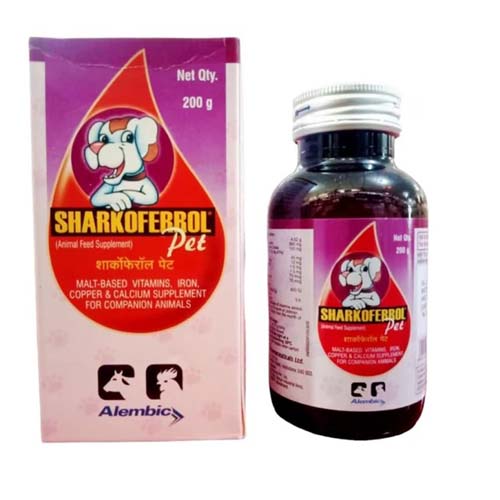
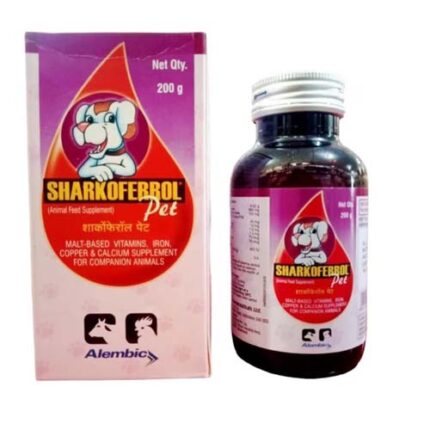
Sharkoferrol Pet 200g for Cat
Sharkoferrol Pet 200g for Cats is a veterinary-formulated bone health supplement designed to support calcium absorption, skeletal development, and overall bone metabolism in felines. Enriched primarily with Vitamin D3 (cholecalciferol) and supportive minerals like calcium and phosphorus, Sharkoferrol helps maintain strong bones, proper neuromuscular function, and healthy growth in kittens, adult cats, and breeding queens. Ideal for deficiency states, growth phases, fracture recovery, and pregnancy support.
Key Benefits
- Enhances calcium absorption
- Supports strong bones and skeletal development
- Helps manage hypocalcemia
- Aids recovery after fractures or orthopedic surgery
- Supports pregnancy and lactation mineral demands
- Promotes healthy neuromuscular function
- Helps prevent nutritional rickets and osteomalacia
What is Sharkoferrol Pet 200g for Cats?
Sharkoferrol Pet 200g is a Vitamin D3-based veterinary supplement formulated to regulate calcium and phosphorus metabolism in cats. Vitamin D3 plays a central role in bone mineralization and maintaining optimal serum calcium levels.
Core Components
- Vitamin D3 (Cholecalciferol)
- Calcium (varies by formulation)
- Phosphorus
- Stabilizing excipients for palatability
How It Works
Vitamin D3 Facilitates intestinal absorption of calcium and phosphorus and supports proper bone mineralization.
Calcium Maintains skeletal integrity and supports muscle contraction.
Phosphorus Works synergistically with calcium to build strong bones and teeth.
Together, these nutrients help maintain healthy bone density and prevent metabolic bone disorders.
Indications: When to Use Sharkoferrol Pet
Veterinarians recommend Sharkoferrol in the following scenarios:
Nutritional Rickets in Kittens Supports proper ossification and skeletal development in growing kittens.
Osteomalacia in Adult Cats Helps manage bone softening caused by vitamin D deficiency.
Hypocalcemia Supports correction of low blood calcium levels.
Pregnancy & Lactation Maintains mineral balance in queens during late gestation and nursing.
Post-Fracture or Orthopedic Recovery Supports bone remodeling and healing.
Malabsorption Disorders Helpful in cats with gastrointestinal conditions impairing fat-soluble vitamin absorption.
Dosage Guidelines
Dosage varies based on weight and clinical purpose. Always follow veterinary guidance.
Standard Oral Dosage (Liquid Equivalent Reference)
| Cat Weight | General Support | Therapeutic Use | Pregnancy/Lactation |
| 0.5 – 2 kg | 0.2 – 0.5 ml | 0.5 – 1.0 ml | 0.5 ml |
| 2 – 4 kg | 0.5 – 1.0 ml | 1.0 – 1.5 ml | 1.0 ml |
| 4 – 6 kg | 1.0 – 1.2 ml | 1.5 – 2.0 ml | 1.2 ml |
| 6 – 8 kg | 1.2 – 1.5 ml | 2.0 – 2.5 ml | 1.5 ml |
Note: Adjustments depend on formulation concentration and veterinary prescription.
Administration Instructions
Liquid Form (If Applicable)
- Shake well before use.
- Measure accurate dose using oral syringe.
- Administer directly into cheek pouch.
- Offer small meal afterward.
With Food
- Mix dose into a small portion of wet food.
- Avoid mixing with dry kibble alone for better absorption.
- Vitamin D3 is better absorbed with dietary fat.
Duration of Use
| Purpose | Frequency | Duration |
| Growth support | Once daily | 4–6 weeks |
| Deficiency treatment | Once or twice daily | Until lab correction |
| Fracture recovery | Once daily | 3–6 weeks |
| Pregnancy support | Once daily | Late gestation to weaning |
Safety Profile
Sharkoferrol is generally safe when used at recommended doses under veterinary supervision.
Possible Side Effects (Rare)
- Mild vomiting
- Constipation
- Reduced appetite
These usually indicate mild dosage intolerance.
Signs of Vitamin D Overdose (Hypervitaminosis D)
Chronic over-supplementation may lead to:
- Increased thirst and urination
- Vomiting and dehydration
- Weakness
- Kidney damage due to calcium deposits
- Cardiac irregularities (severe cases)
If suspected, discontinue use immediately and consult a veterinarian.
Contraindications
Use with caution in cats with:
- Chronic kidney disease
- Existing hypercalcemia
- Concurrent calcium or vitamin D supplementation
- Special urinary or renal diets
Periodic monitoring of serum calcium and kidney parameters is recommended during long-term use.
Monitoring Recommendations
| Test | Purpose | Frequency |
| Serum Calcium | Detect hypercalcemia | Every 2–4 weeks during therapy |
| Kidney Function Panel | Monitor renal health | Every 3–6 months |
| Serum Vitamin D | Assess overdose risk | In prolonged use cases |
Clinical Ingredient Support
Vitamin D3 is extensively studied for:
- Improving calcium bioavailability
- Supporting skeletal mineralization
- Managing metabolic bone disorders
- Supporting neuromuscular stability
Veterinarians routinely use Vitamin D3 supplementation for managing nutritional rickets, osteomalacia, and hypocalcemia in cats.
FAQ
Is Sharkoferrol safe for kittens?
Yes, when dosed appropriately under veterinary supervision.
Can it be given long-term?
Only with veterinary monitoring to avoid vitamin D toxicity.
Does it replace a balanced diet?
No. It supplements mineral and vitamin D deficiencies.
Can it be combined with calcium tablets?
Only if prescribed. Avoid duplicate supplementation.
When will I see improvement?
Bone healing and metabolic correction depend on the condition but typically show improvement within 2–4 weeks.


Reviews
There are no reviews yet.