





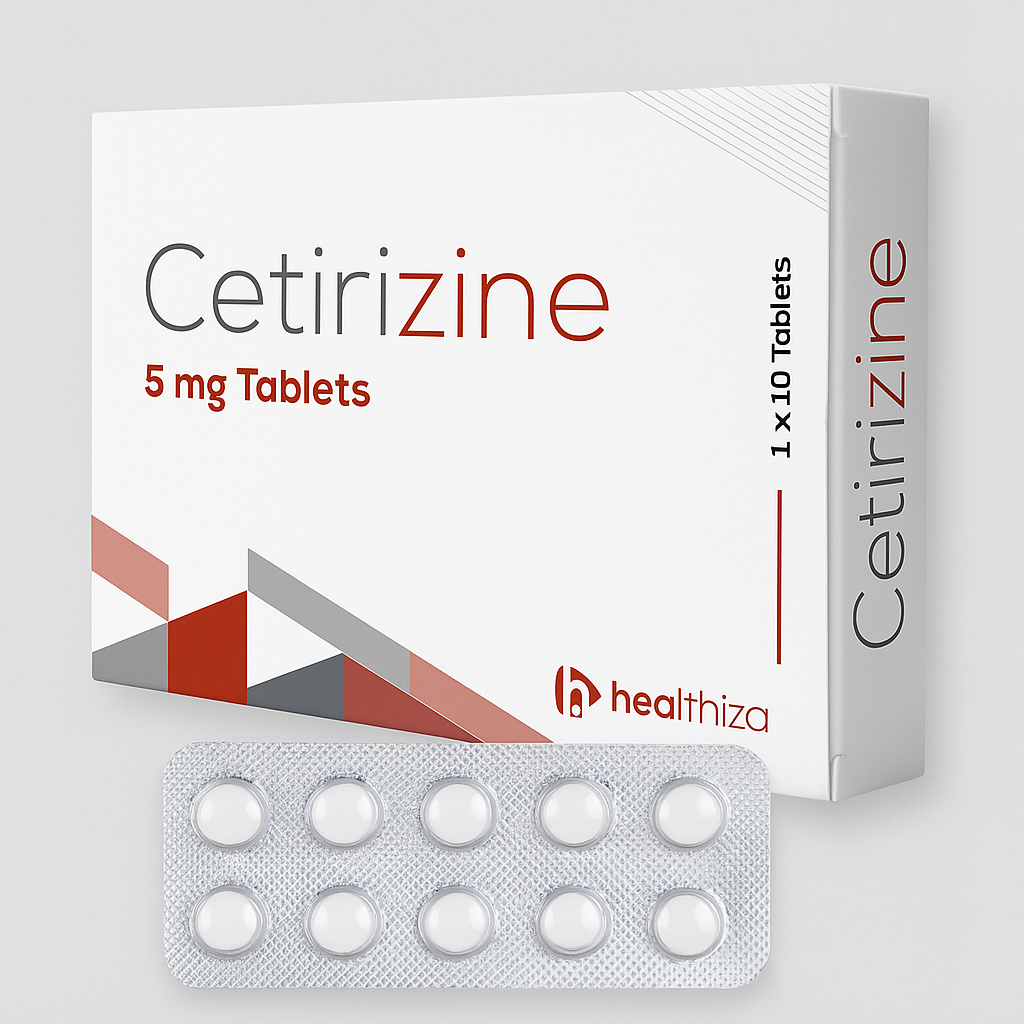
Cetirizine Tablet 5 mg for Cat
Cetirizine Tablet 5 mg for Cats is an antihistamine used to relieve allergy-related symptoms in felines. It is commonly prescribed for itching, allergic dermatitis, seasonal allergies, and respiratory allergy symptoms. Cetirizine is a second-generation antihistamine, meaning it provides effective allergy relief with minimal sedative effects compared to older antihistamines.
What Is Cetirizine?
Cetirizine is an H1-receptor antihistamine. When a cat is exposed to allergens (pollen, dust mites, flea saliva, mold, etc.), the body releases histamine, which triggers:
- Itching (pruritus)
- Red, inflamed skin
- Sneezing
- Watery eyes
- Nasal discharge
Cetirizine blocks histamine from binding to H1 receptors, reducing these allergic reactions. Unlike first-generation antihistamines, it has lower risk of drowsiness in most cats.
Common Indications in Cats
Allergic Dermatitis
- Itchy skin
- Redness
- Hair loss from scratching
- Secondary skin irritation
Flea Allergy Dermatitis (FAD)
- Severe itching due to flea saliva
- Must be used alongside proper flea control
Seasonal & Environmental Allergies
- Pollen
- Dust mites
- Mold spores
Respiratory Allergy Symptoms
- Sneezing
- Nasal congestion
- Watery discharge
Ocular Allergy Symptoms
- Itchy eyes
- Excessive tearing
Recommended Dosage
⚠ Always consult a veterinarian before starting Cetirizine.
Standard Dosing Guidelines
| Condition | Dosage | Frequency |
| Healthy Adult Cats | 5 mg (1 tablet) | Once daily |
| Small Cats / Kittens | 2.5 mg (½ tablet) | Once daily |
| Kidney/Liver Conditions | 2.5 mg (½ tablet) | Once daily (vet-adjusted) |
Do not exceed prescribed dose.
Missed Dose
Administer when remembered unless close to next scheduled dose. Do not double dose.
Overdose Symptoms
- Excessive sedation
- Vomiting
- Incoordination
- Loss of appetite
Seek veterinary care immediately if overdose is suspected.
Administration Instructions
- Can be given with or without food
- If stomach upset occurs, administer with food
- May be given directly or hidden in a treat
- Ensure full tablet is swallowed
- Maintain consistent daily schedule
Benefits of Cetirizine 5 mg for Cats
- Effective relief from itching and inflammation
- Once-daily dosing (up to 24-hour relief)
- Minimal sedative effect compared to older antihistamines
- Suitable for long-term allergy management (under vet supervision)
- Generally well tolerated
Possible Side Effects
Cetirizine is typically well tolerated.
Common (Mild)
- Mild drowsiness
- Dry mouth
- Slight decrease in appetite
- Occasional vomiting or diarrhea
Rare but Serious
- Severe lethargy
- Behavioral changes
- Rapid breathing
- Allergic reaction (facial swelling, difficulty breathing)
Discontinue use and consult a veterinarian if severe symptoms occur.
Precautions
Use caution in cats with:
- Kidney disease
- Liver disease
- Chronic medical conditions
- Pregnancy or lactation (vet supervision required)
Inform your veterinarian if your cat is taking:
- Corticosteroids
- Other antihistamines
- Sedatives
- Immune-modulating medications
When to Contact Your Veterinarian
- Allergy symptoms worsen
- No improvement after several days
- Severe itching persists
- Signs of infection (pus, fever, open sores)
- Behavioral or respiratory changes
Cetirizine helps manage symptoms but does not cure underlying allergies. Long-term management plans may include diet control, flea prevention, or environmental adjustments.
Storage Instructions
- Store in a cool, dry place
- Keep away from moisture
- Keep out of reach of children and pets
Frequently Asked Questions
Is Cetirizine safe for daily use in cats?
Yes, when used under veterinary supervision.
Can Cetirizine replace flea prevention?
No. It helps manage itching but does not eliminate fleas.
How long does it take to work?
Improvement is often seen within 24–48 hours.


Chloe Henderson –
Ordering Cetirizine Tablet 5 MG for Cat was simple. The page gave enough information to review the item properly before confirming the purchase.
Olivia Walker –
I liked how clearly Cetirizine Tablet 5 MG for Cat was listed. The page made it easier to check the item details and complete the order without confusion.
Harry Davies –
The Cetirizine Tablet 5 MG for Cat page was easy to navigate and the information felt organized. A good experience for pet product shopping online.