







Azithromycin Tablet for Dog
Azithromycin Tablet for Dogs is a macrolide antibiotic prescribed when dogs require systemic treatment for confirmed bacterial infections, particularly when once-daily dosing or broad tissue penetration is preferred. It is commonly used for respiratory and soft-tissue infections under veterinary supervision.
Veterinary Uses
Azithromycin tablets may be prescribed for dogs diagnosed with:
- Respiratory tract infections (including kennel cough-associated bacteria)
- Skin and soft-tissue bacterial infections
- Wound and post-surgical infections
- Dental and oral bacterial infections
- Gastrointestinal bacterial infections (culture-guided)
- Selected urinary infections (when sensitivity supports use)
Use only after veterinary diagnosis.
How Azithromycin works
Azithromycin inhibits bacterial protein synthesis, preventing bacteria from growing and multiplying.
Key properties:
- Long tissue half-life
- Once-daily dosing in most cases
- Effective against intracellular and atypical bacteria
Product Details
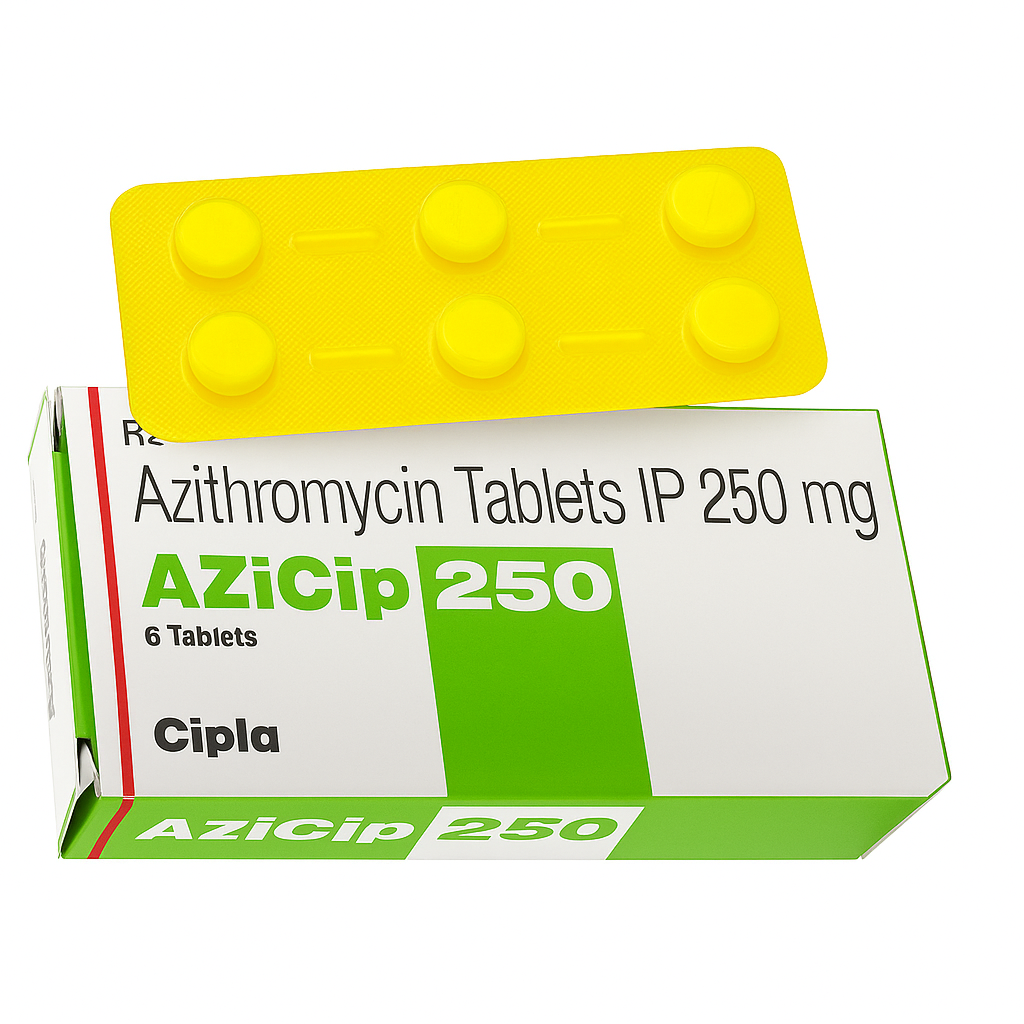
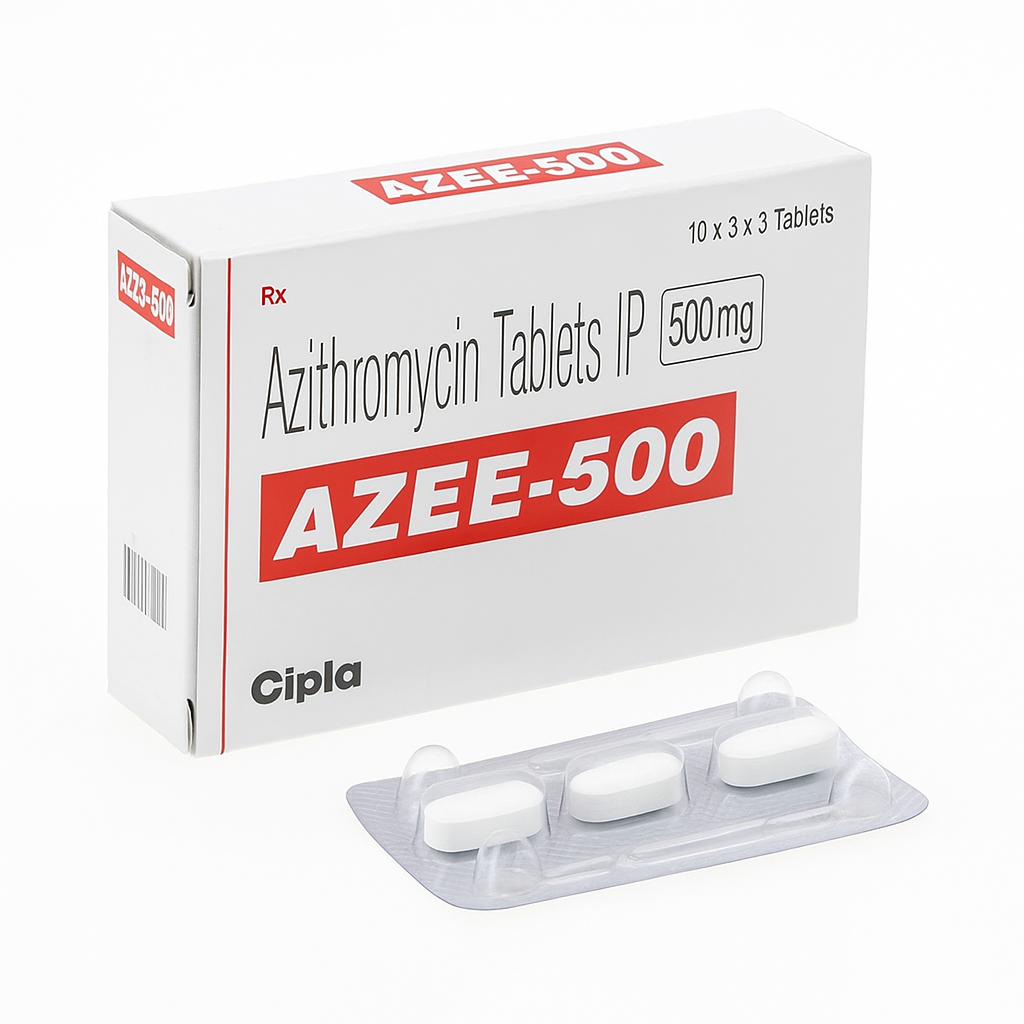
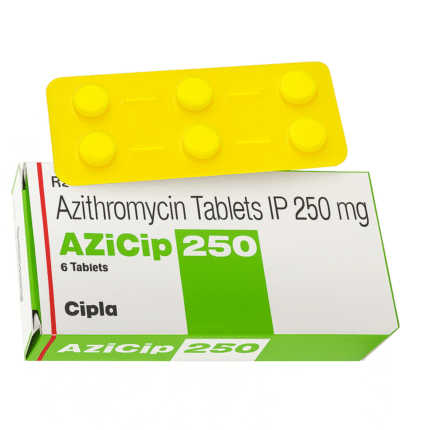
- Active Ingredient: Azithromycin
- Strength: 250 mg
- Form: Oral tablet
- Pack Size: 6 tablets
- Route: Oral
- Species: Dogs
- Prescription Status: Veterinary use only
Dosage & Administration (Vet-Directed)
Typical reference range
- Dose: 5–10 mg/kg
- Frequency: Once daily
- Duration: 5–10 days (varies by infection)
Exact dose and treatment duration must be determined by the veterinarian based on infection type, body weight, and clinical response.
How to give Azithromycin tablets
- May be given with or without food
- Give at the same time each day
- Tablets can be hidden in food or treats
- Ensure the full dose is swallowed
- Complete the full prescribed course
Safety & Precautions
Azithromycin is generally well tolerated when prescribed appropriately.
Do not use if:
- Dog has known allergy to macrolide antibiotics
- Severe liver disease unless closely monitored
Use with caution:
- Puppies
- Pregnant or lactating dogs
- Dogs with liver or cardiac conditions
Possible side effects
Most side effects are mild and temporary:
- Vomiting
- Diarrhea
- Reduced appetite
- Mild lethargy
Stop medication and contact your veterinarian if:
- Facial swelling or hives occur
- Breathing difficulty appears
- Severe or persistent GI symptoms develop
Drug interactions
Inform your veterinarian if your dog is taking:
- Antacids
- Heart rhythm medications
- Other antibiotics
- Liver-metabolized drugs
FAQ
Is Azithromycin safe for dogs?
Yes, when prescribed by a veterinarian and given at the correct dose.
Can Azithromycin treat kennel cough?
It may be prescribed for bacterial causes associated with respiratory infections when appropriate.
Should the full course be completed?
Yes. Stopping early can lead to relapse or antibiotic resistance.


Reviews
There are no reviews yet.