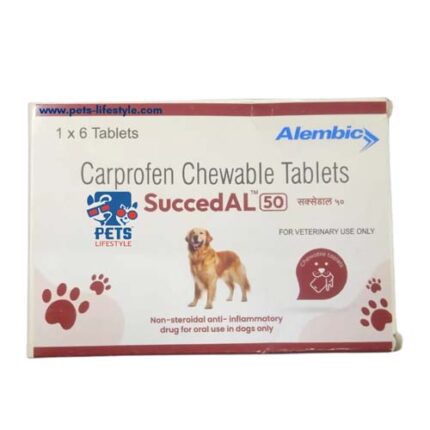




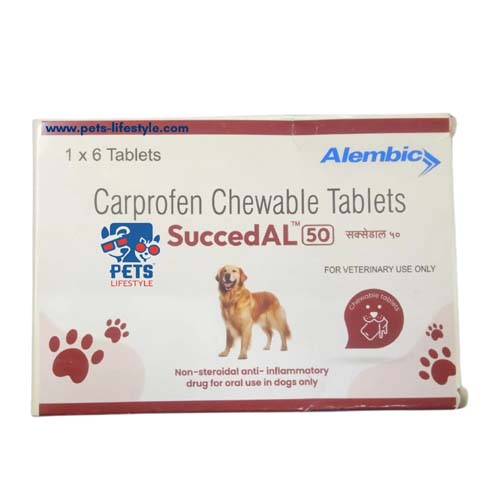


Carprofen Chewable Tablets 50 mg for Cats: Complete Guide to Dosage, Benefits, and Safe Use
Carprofen is a commonly prescribed medication for cats, particularly for managing pain and inflammation caused by various conditions such as arthritis, soft tissue injuries, or post-surgery discomfort. As a nonsteroidal anti-inflammatory drug (NSAID), Carprofen provides significant relief for cats suffering from inflammation, making it a crucial part of veterinary care.
The Carprofen Chewable Tablets 50 mg are specifically designed for ease of administration, ensuring that both cats and their owners experience minimal hassle. These chewable tablets offer a convenient way to deliver effective pain relief, especially for cats who may resist traditional pill forms.
What is Carprofen?
It is structurally similar to human medications such as ibuprofen and aspirin, but it is specifically formulated for animals, with dosage and safety tailored to feline physiology.
Carprofen works by blocking certain enzymes called cyclooxygenases (COX-1 and COX-2), which are involved in the production of prostaglandins. Prostaglandins are chemicals that promote inflammation, pain, and fever in the body. By inhibiting the production of these chemicals, Carprofen helps to relieve discomfort and inflammation, particularly in conditions such as osteoarthritis and soft tissue injuries.
In the case of cats, Carprofen is generally used to manage pain related to arthritis, post-surgical recovery, and other inflammatory conditions. Its use should always be supervised by a veterinarian to ensure its safe and effective application.
Indications for Use in Cats
Carprofen is indicated for use in a variety of situations where pain and inflammation need to be managed.
1. Arthritis and Joint Pain
Osteoarthritis (OA) is a common condition that affects older cats, leading to chronic pain and inflammation in the joints. OA results from the deterioration of cartilage, which causes bones to rub against each other, resulting in pain, stiffness, and reduced mobility.
Carprofen is often prescribed to manage arthritis-related pain in cats, providing relief from the discomfort and inflammation that comes with the condition. The medication helps to reduce swelling in the affected joints, allowing cats to move more comfortably and improving their quality of life.
2. Post-Surgical Pain Relief
Following surgery, whether routine (such as spaying or neutering) or more invasive procedures, cats often experience pain due to soft tissue damage or trauma. Carprofen plays a critical role in managing post-surgical pain by reducing inflammation and alleviating discomfort.
The ability of Carprofen to control post-operative inflammation allows for a quicker recovery, reducing the need for additional pain management interventions and improving the healing process.
3. Soft Tissue Injuries
Carprofen is also used in the treatment of soft tissue injuries such as sprains, strains, and muscle injuries. By reducing the inflammation at the injury site, Carprofen helps promote faster healing and provides much-needed relief from pain.
4. Dental Pain and Inflammation
In some cases, dental issues like gingivitis or periodontal disease may cause pain and inflammation in a cat’s mouth. Carprofen can be prescribed as a part of the dental care plan to reduce inflammation in the gums and surrounding tissues, alleviating discomfort and promoting healing after dental procedures.
How Does Carprofen Work in Cats?
Carprofen’s mode of action is through its inhibition of two important enzymes: COX-1 and COX-2. By inhibiting COX-2 more selectively, Carprofen provides anti-inflammatory effects while minimizing the risk of gastrointestinal side effects commonly associated with COX-1 inhibition.
Carprofen’s selective inhibition of COX-2 makes it effective in treating inflammation without causing as many side effects on the gastrointestinal tract or kidneys as other NSAIDs that target both COX-1 and COX-2.
This selective action makes Carprofen Chewable Tablets 50 mg for Cats an ideal option for managing pain associated with osteoarthritis, soft tissue injuries, and post-surgical recovery, where inflammation is the primary issue.
Dosage and Administration of Carprofen Chewable Tablets 50 mg for Cats
The dosage depends on your cat’s weight, age, and condition. Always follow your veterinarian’s instructions for proper use. Below is a general guideline for dosing and administration.
General Dosage Guidelines
- Initial Dose: Typically, the standard dose is 1 chewable tablet (50 mg) per day for most cats, especially for pain management and inflammation reduction.
- Maintenance Dose: After the initial phase, your veterinarian may adjust the dose based on your cat’s response to the medication. This may include lowering the dose for long-term use (e.g., half a tablet per day).
- Weight Considerations: The dose may be adjusted depending on your cat’s weight and specific health needs.
Administration Instructions
- Oral Administration: Carprofen Chewable Tablets are designed to be palatable. You can administer them directly or mix them with food to encourage your cat to take the medication.
- Consistency: Give the medication at the same time each day to maintain consistent drug levels in your cat’s system.
Dosage
| Cat Weight | Dose (Carprofen 50 mg Tablet) | Frequency |
| Under 5 lbs (2.3 kg) | 25 mg (½ tablet) | Once a day |
| 5-10 lbs (2.3-4.5 kg) | 50 mg (one tablet) | Once a day |
| 10-15 lbs (4.5-6.8 kg) | 75 mg (1½ tablets) | Once a day |
| Over 15 lbs (6.8 kg) | 100 mg (two tablets) | Once a day |
Side Effects and Risks
While it is generally well-tolerated, some cats may experience adverse reactions.
Common Side Effects
- Gastrointestinal Upset: Vomiting, diarrhea, or lack of appetite.
- Lethargy: Some cats may feel more tired or sluggish after starting Carprofen treatment.
Serious Side Effects
While rare, more serious side effects can occur, particularly if the medication is used inappropriately or if the cat has pre-existing health conditions:
- Kidney and Liver Issues: Cats with kidney or liver disease should not take Carprofen, as it can exacerbate these conditions.
- Gastrointestinal Problems: In some cats, Carprofen can cause ulceration or bleeding in the stomach lining. Signs of this include black, tarry stools, or vomiting blood.
What to Do If Side Effects Occur
If your cat shows any signs of severe side effects, such as vomiting blood, black stools, or jaundice, contact your veterinarian immediately. Monitoring for any changes in behavior or appetite is key to ensuring the safe use of Carprofen.
Contraindications and Precautions for Carprofen Chewable Tablets 50 mg for Cats
Contraindications (When Carprofen Should Not Be Used):
- Kidney Disease: Cats with impaired kidney function should avoid Carprofen, as it can worsen kidney conditions.
- Gastrointestinal Disorders: Cats with GI issues (e.g., ulcers) may experience irritation or bleeding when using Carprofen.
- Pregnancy and Lactation: Not recommended for pregnant or nursing cats due to potential harm to fetuses or kittens.
- Kittens Under 6 Months: Young kittens may not process Carprofen safely due to immature organ systems.
Precautions (When Extra Care is Needed):
- Heart Conditions: Cats with heart disease should be monitored closely, as Carprofen may affect blood pressure and kidney function.
- Bleeding Disorders: Avoid Carprofen if your cat has a history of bleeding disorders, as it may increase bleeding risk.
- Concurrent Medications: Be cautious if your cat is on other medications like steroids, as Carprofen may interact with them.
- Older Cats: Senior cats should be monitored regularly for kidney and liver function, as they may be more susceptible to side effects.
- Dehydration: Ensure your cat is hydrated before using Carprofen, as dehydration can increase the risk of kidney damage.
Benefits of Carprofen for Cats
- Effective Pain Relief: Alleviates pain from conditions like arthritis, post-surgery recovery, and soft tissue injuries.
- Anti-Inflammatory: Reduces inflammation, particularly in joints, providing relief from swelling and stiffness.
- Enhanced Mobility: Improves movement, allowing cats to regain normal activity levels and increase comfort.
- Post-Surgery Recovery: Helps reduce pain and swelling after surgery, aiding in faster healing.
- Easy Administration: The chewable tablet form is palatable and easy to give, even to picky eaters.
- Improved Quality of Life: By managing pain and inflammation, Carprofen helps cats feel better, move freely, and enjoy a higher quality of life.
Clinical Research on Carprofen for Cats
Clinical research supports Carprofen’s effectiveness in managing pain and inflammation in cats, especially for conditions like osteoarthritis and post-surgical recovery. Studies have shown that Carprofen helps:
- Pain and Inflammation: Significant reduction in pain and swelling in cats with arthritis, improving their ability to move and engage in daily activities.
- Post-Surgical Recovery: Effective in managing pain after procedures like spaying, neutering, and soft tissue surgeries, leading to faster healing and reduced discomfort.
- Mobility Improvement: Carprofen enhances mobility, particularly in senior cats with joint issues, enabling them to regain normal activity levels.
- Safety and Side Effects: Research emphasizes the importance of proper dosing and veterinary monitoring, especially in cats with pre-existing liver or kidney issues.
Conclusion
Carprofen Chewable Tablets 50 mg for Cats provide an effective solution for managing pain and inflammation in cats suffering from conditions like arthritis, post-surgical recovery, and soft tissue injuries. With its proven ability to reduce pain and swelling, Carprofen helps improve your cat’s mobility and overall quality of life, allowing them to enjoy daily activities without discomfort. While generally safe, it’s essential to follow your veterinarian’s instructions for proper dosage and administration, especially for cats with pre-existing conditions like kidney or liver disease. Regular veterinary check-ups ensure safe long-term use and monitor for any potential side effects.


Reviews
There are no reviews yet.