




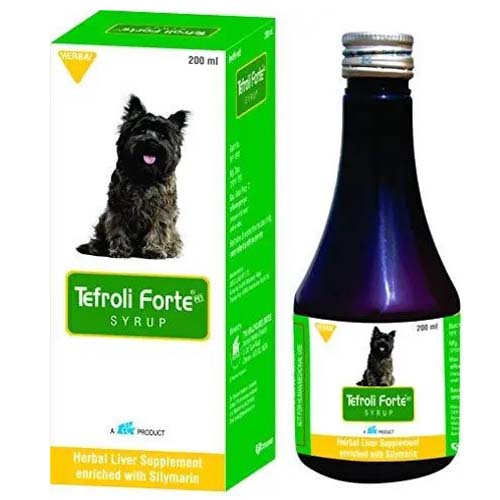
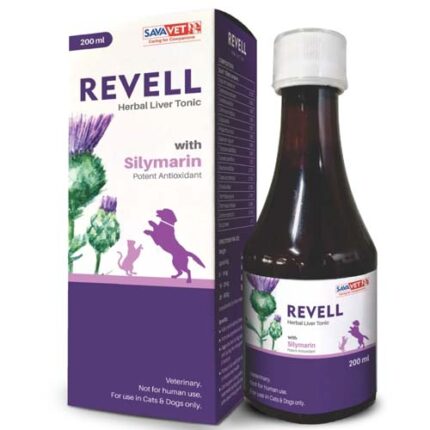
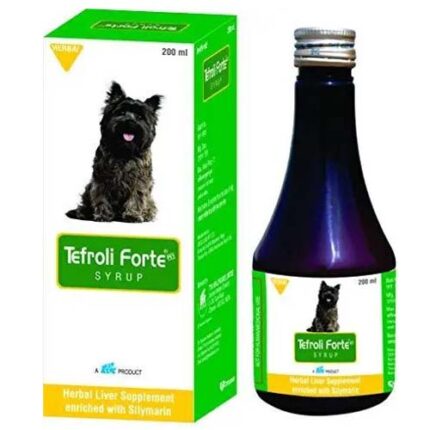
Tefroli Forte Liver Syrup 200 ml for Cat
The feline liver plays a central role in detoxification, nutrient metabolism, bile production, and immune regulation. Conditions like hepatic lipidosis, cholangiohepatitis, toxin exposure, and medication-induced liver stress can impair these vital processes.
Tefroli Forte Liver Syrup provides multi-pathway hepatic support by:
- Enhancing liver cell regeneration
- Reducing oxidative stress
- Supporting bile secretion
- Improving fat metabolism
- Promoting appetite and energy
Key Benefits
- Supports normalization of ALT, AST, and ALP levels
- Promotes regeneration of hepatocytes
- Reduces liver inflammation
- Enhances detoxification pathways
- Improves appetite in liver-compromised cats
- Supports recovery from drug-induced liver stress
- Suitable for both acute and chronic liver conditions
Therapeutic Indications
Tefroli Forte Liver Syrup may be recommended for:
| Condition | Support Role |
| Hepatic Lipidosis | Improves fat metabolism & liver detox |
| Cholangiohepatitis | Supports inflammation control |
| Drug-Induced Hepatotoxicity | Neutralizes toxic metabolites |
| Chronic Liver Failure | Slows progression & enhances regeneration |
| Hyperthyroidism-related liver stress | Supports metabolic balance |
| Post-toxin exposure | Aids detox recovery |
Composition & Functional Role
| Ingredient | Function |
| Silymarin (Milk Thistle) | Antioxidant, stabilizes liver cell membranes |
| L-Carnitine | Enhances fatty acid oxidation in hepatic lipidosis |
| Vitamin B Complex | Supports metabolism and red blood cell formation |
| Zinc | Supports enzyme function & reduces fibrosis risk |
| Amino Acid Support | Improves hepatic detox pathways |
Dosage & Administration Guide
Recommended Dosage (Syrup Form)
| Cat Weight | Syrup Dose | Frequency |
| < 2 kg | 1 ml | Once or twice daily |
| 2 – 4 kg | 2 ml | Once or twice daily |
| 4 – 6 kg | 3 ml | Once or twice daily |
| > 6 kg | 4 ml | Once or twice daily |
⚠ Always adjust dosage under veterinary supervision based on liver enzyme levels and clinical condition.
Administration Tips
- Administer with food to reduce stomach upset
- Use a calibrated oral syringe for accurate dosing
- Can be mixed into a small portion of wet food
- Maintain consistent daily timing
Duration of Use
| Condition Type | Recommended Duration |
| Acute liver stress | 3–4 weeks |
| Chronic liver disease | Long-term, vet-monitored |
| Preventive support (medication stress) | During drug course |
Routine liver enzyme monitoring every 4–6 weeks is advised for chronic cases.
Safety Profile & Precautions
Generally Safe When:
- Used as directed
- Given with meals
- Monitored periodically
Possible Mild Side Effects:
- Soft stools
- Mild nausea
- Temporary appetite fluctuation
Rare Reactions:
- Allergic reaction (swelling, itching)
- Vomiting if overdosed
Avoid Use In:
- Kittens under 8 weeks
- Known ingredient hypersensitivity
- Without veterinary guidance in pregnant cats
Clinical Support Overview
Veterinary studies support key components:
- Silymarin: Shown to reduce oxidative liver damage and improve ALT/AST levels.
- L-Carnitine: Crucial in hepatic lipidosis recovery.
- B Vitamins: Improve appetite and metabolic function in liver disease.
- Zinc: Reduces inflammatory progression in chronic liver disorders.
Clinical observations show improvement in appetite and enzyme normalization within 3–5 weeks of consistent use.
FAQ
Can it be used long-term?
Yes, especially in chronic liver conditions, under veterinary monitoring.
Can it be combined with antibiotics or other medications?
Generally compatible, but always inform your veterinarian.
How soon will improvement be seen?
Appetite and energy may improve within 10–14 days; enzyme levels typically stabilize in 3–6 weeks.



Thomas Evans –
A clean and useful listing for Tefroli Forte Liver Syrup 200 ML for Cat. I appreciated the clear product name, size details, and simple buying process on the website.
Lauren Reed –
Ordering Tefroli Forte Liver Syrup 200 ML for Cat was simple. The page gave enough information to review the item properly before confirming the purchase.
Lauren Reed –
Ordering Tefroli Forte Liver Syrup 200 ML for Cat was simple. The page gave enough information to review the item properly before confirming the purchase.