


Beaphar Worm Tablets for Cats: A Complete Guide to Parasite Control
Cats are curious creatures, constantly exploring their environment and coming into contact with parasites. Whether they are indoor or outdoor cats, these parasites can affect their health, leading to discomfort and serious complications. One of the most common ways cats become infected with parasites is through intestinal worms, which can cause a range of symptoms such as vomiting, diarrhea, weight loss, and lethargy.
Deworming is an essential part of a cat’s health care routine, and regular use of deworming medications ensures that your feline companion stays healthy and free from harmful worms. Beaphar Worm Tablets for Cats offer a reliable and efficient solution for controlling common intestinal worms in cats. In this comprehensive guide, we’ll explore the indications, dosage, administration, side effects, and much more related to Beaphar Worm Tablets.
What Are Beaphar Worm Tablets for Cats?
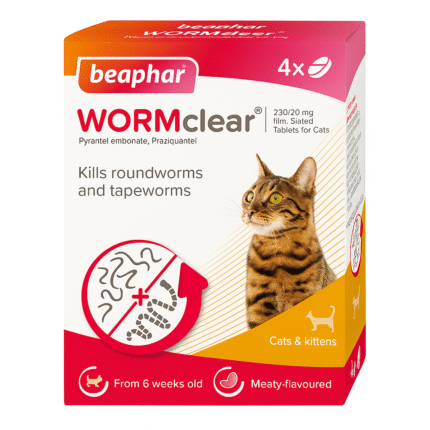
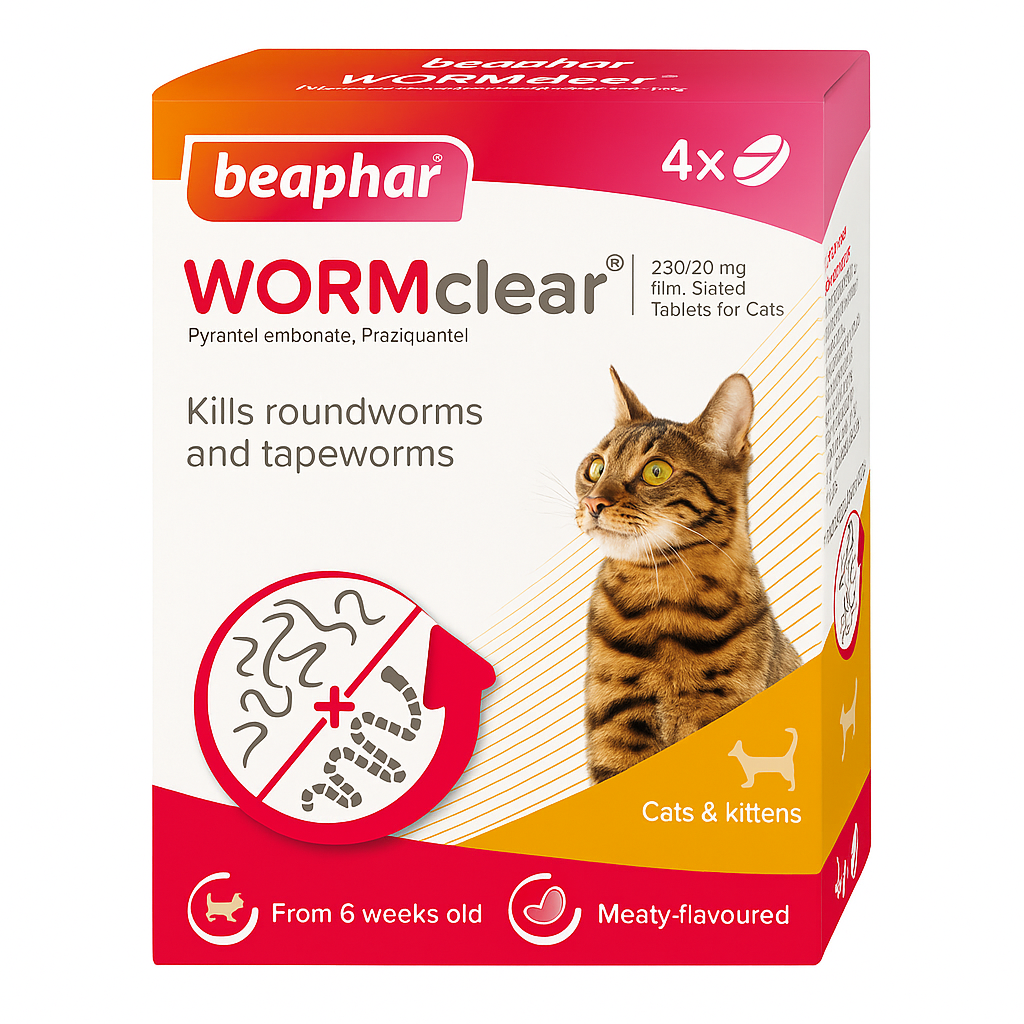
Beaphar is a well-known brand in the veterinary care industry, recognized for producing a wide range of pet health products. Among their offerings is the Beaphar Worm Tablet for Cats, a deworming treatment formulated to help eliminate common intestinal parasites. These tablets are designed for easy administration and effective treatment of parasitic infections.
Active Ingredients
The key ingredients in Beaphar Worm Tablets for Cats include:
- Pyrantel Embonate: Pyrantel is an anthelmintic medication that works by paralyzing the muscles of the parasites, causing them to be expelled from the cat’s digestive system.
- Praziquantel: Praziquantel is effective against tapeworms and works by increasing the permeability of the parasites’ cell membranes, leading to their death.
These ingredients make Beaphar Worm Tablets a broad-spectrum dewormer capable of treating a variety of intestinal parasites.
Form and Packaging
Beaphar Worm Tablets are available in an easy-to-use tablet form. The tablets come in convenient blister packs, ensuring they remain fresh and easy to store. They are typically sold in different quantities to cater to various needs, from single treatments to longer deworming regimens.
Indications for Beaphar Worm Tablets for Cats
Beaphar Worm Tablets are effective against a wide range of intestinal parasites that commonly affect cats. Let’s take a closer look at the types of worms that Beaphar Worm Tablets can treat.
Types of Worms Treated
- Roundworms (Toxocara cati, Toxascaris leonina)
Roundworms are one of the most common parasitic infections in cats, especially in kittens. They live in the intestines and can cause symptoms like vomiting, diarrhea, and abdominal bloating. - Tapeworms (Dipylidium caninum, Taenia species)
They can be transmitted through the ingestion of infected fleas or rodents. Tapeworms often cause noticeable signs like segments of the worm (often seen in the cat’s feces or around the anus) and itching. - Hookworms (Ancylostoma tubaeforme)
Hookworms are another common intestinal parasite that can cause severe health issues, including anemia, weight loss, and lethargy. - Whipworms (Trichuris spp.)
Although less common, whipworms can cause significant discomfort in cats. They live in the colon and can lead to symptoms like diarrhea, weight loss, and dehydration.
By treating these parasites, Beaphar Worm Tablets help prevent health complications and ensure that your cat remains in good overall health.
When to Use Beaphar Worm Tablets
The following are some scenarios when you should use Beaphar Worm Tablets:
- Routine Deworming
Cats should be dewormed regularly as part of their overall health care plan. Adult cats should typically be dewormed every 3-6 months, but the frequency may vary based on your veterinarian’s recommendations. - After Exposure to Parasites
If your cat has had access to the outdoors or has come into contact with infected animals or fleas, it’s a good idea to deworm them. Indoor cats, though less likely to get parasites, should still be dewormed periodically, especially if they are in contact with other pets. - When Symptoms of Worm Infestation Appear
If you notice signs of a worm infestation in your cat—such as vomiting, weight loss, diarrhea, bloating, or visible worm segments around the anus—it’s important to deworm them immediately. - In High-Risk Environments
Cats that live in environments with a high risk of parasite exposure, such as multi-pet households, shelters, or areas with frequent flea infestations, should be dewormed more frequently.
Beaphar Worm Tablets: Dosage Instructions and How to Administer for Cats
Proper administration and dosage are critical to ensuring the effectiveness of Beaphar Worm Tablets. The dosage varies based on your cat’s weight, so it’s essential to follow the guidelines for safe and effective deworming.
Dosage Guidelines for Beaphar Worm Tablets:
Beaphar Worm Tablets should be administered according to the following guidelines. The dosage is typically based on the cat’s weight, with a standard tablet strength being suitable for most adult cats. Below is the typical dosage breakdown:
| Cat’s Weight | Dosage | Frequency |
| Up to 1 kg | 1/2 tablet | Once only (single dose) |
| 1-2 kg | 1 tablet | Once only (single dose) |
| 2-3 kg | 1 tablet | Once only (single dose) |
| 3-5 kg | 1 tablet | Once only (single dose) |
| 5-7 kg | 1 1/2 tablets | Once only (single dose) |
| 7-10 kg | 2 tablets | Once only (single dose) |
| Over 10 kg | 2 tablets + 1/2 tablet for each additional 2.5 kg | Once only (single dose) |
Important Notes on Dosage:
- Kittens (under 6 weeks of age) should not be given Beaphar Worm Tablets unless advised by a veterinarian.
- Pregnant and nursing cats should also avoid using Beaphar Worm Tablets unless directed by a vet.
- For overweight cats (weighing more than 10 kg), adjust the dosage accordingly to ensure proper treatment. Always consult your vet for dosing advice.
- Older cats (seniors) or those with underlying health issues should be monitored closely during deworming. Consult your veterinarian for the correct dosage.
- Repeat treatment after 2 weeks if your cat is heavily infested or if symptoms persist.
How to Administer Beaphar Worm Tablets to Your Cat
- Direct Oral Administration
- Massage their throat to encourage swallowing.
- Hiding in Food
- Hide the tablet in wet food, a pill pocket, or cheese to make it more palatable.
- Using a Pill Dispenser
- Use a pill dispenser to place the tablet directly at the back of their throat, then release it.
Tips:
- Be consistent with administration.
- Monitor for any side effects, although they’re rare.
- Offer food or water afterward to ensure they swallow the tablet.
Dosage Frequency and Deworming Schedule:
- Routine Deworming: Beaphar Worm Tablets are typically given once every 3-6 months depending on your cat’s risk of exposure to parasites. Consult your veterinarian for a schedule that suits your cat’s lifestyle and environment.
- After Worm Infestation: If your cat has been diagnosed with worms or shows signs of worm infestation (e.g., vomiting, weight loss, diarrhea, bloated belly), it may be necessary to repeat the treatment after 2 weeks to ensure all the parasites are eliminated.
- For Kittens: If you’re deworming a kitten, make sure to follow a veterinarian-approved schedule.
Administration Tips for Success:
- Use Consistently: Administer the tablet exactly as directed. For optimal results, don’t miss a dose, and complete the full treatment even if your cat appears to be feeling better.
- Follow a Routine: Make deworming a part of your regular pet health routine so your cat stays parasite-free.
- Monitor Your Cat: After administering the tablet, monitor your cat for any signs of side effects or discomfort. Most cats tolerate the tablets well, but keep an eye out for any unusual behavior.
Adverse Reactions and Safety Guidelines
While Beaphar Worm Tablets are generally safe when used as directed, it’s essential to be aware of potential side effects and precautions.
Common Side Effects
Most cats tolerate Beaphar Worm Tablets without any problems.
- Mild vomiting
- Diarrhea
- Lethargy
If symptoms persist or worsen, contact your veterinarian.
Precautions
- Pregnant and Nursing Cats: Beaphar Worm Tablets are not recommended for pregnant or lactating cats unless specifically advised by your veterinarian.
- Young Kittens: Do not administer Beaphar Worm Tablets to kittens younger than 6 weeks of age unless instructed by a veterinarian.
- Other Medications: If your cat is on other medications, check with your veterinarian to ensure that there are no interactions with the deworming treatment.
Overdose
If your cat receives an overdose of Beaphar Worm Tablets, contact your veterinarian immediately. Early intervention can help prevent complications.
Advantages of Beaphar Worm Tablets for Cats
Deworming your cat with Beaphar Worm Tablets provides a wide range of benefits, ensuring that your pet remains healthy and parasite-free.
- Effective Parasite Control
Beaphar Worm Tablets are highly effective in eliminating common intestinal worms, ensuring that your cat is free from these harmful parasites. - Prevention of Health Issues
By controlling worm infestations, you prevent secondary health issues, including anemia, malnutrition, and digestive problems. - Ease of Use
Beaphar Worm Tablets are easy to administer and come in a convenient tablet form. The dosage is straightforward, making deworming a simple part of your cat’s routine care. - Affordable Solution
Compared to some other deworming treatments, Beaphar Worm Tablets are a cost-effective option for regular deworming.
Scientific studies on Beaphar Worm Tablets for Cats
Clinical research on Beaphar Worm Tablets primarily focuses on the effectiveness of its active ingredients—Pyrantel Embonate and Praziquantel—in eliminating common intestinal parasites in cats. Studies have shown that:
- Pyrantel Embonate is effective against roundworms and hookworms by causing paralysis in the parasites, which then leads to their expulsion from the cat’s system.
- Praziquantel is effective against tapeworms, working by disrupting the worm’s cellular integrity, causing it to break down and be eliminated.
Clinical trials confirm that Beaphar Worm Tablets are broad-spectrum dewormers with high efficacy in clearing multiple types of intestinal worms with minimal side effects. These tablets have been shown to prevent secondary health issues caused by parasites, such as malnutrition, anemia, and digestive disturbances.
Conclusion
Deworming is a crucial aspect of maintaining your cat’s overall health, ensuring that they remain free from harmful parasites like roundworms, tapeworms, hookworms, and whipworms. Beaphar Worm Tablets for Cats offer a reliable and effective solution for eliminating these intestinal worms, keeping your feline companion healthy and happy. With their easy administration, broad-spectrum action, and affordability, Beaphar Worm Tablets are a great choice for routine deworming. Whether your cat is an outdoor adventurer or a cozy indoor companion, regular deworming can help prevent complications such as malnutrition, lethargy, and digestive issues caused by worm infestations.


Reviews
There are no reviews yet.